Inside the Modern Security Operations Platform
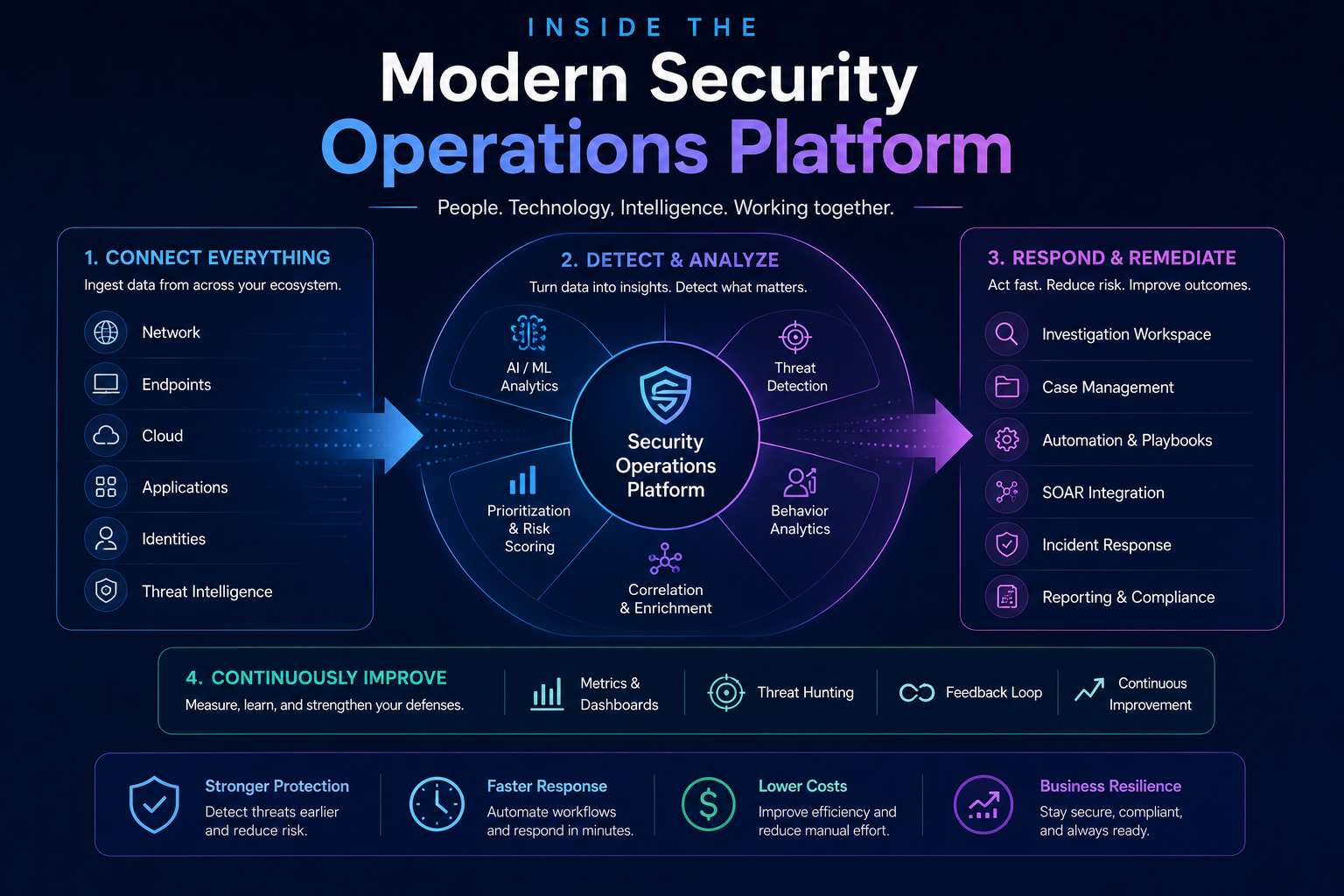
Most organizations do not have one security gap, they have several disconnected ones: access control logs in one system, surveillance footage in another, incident reports in a spreadsheet, and facility access cards managed by a completely separate vendor. When something happens, the people responding have to manually piece together what occurred from four different sources, under time pressure, often during the worst possible moment to be doing manual work.
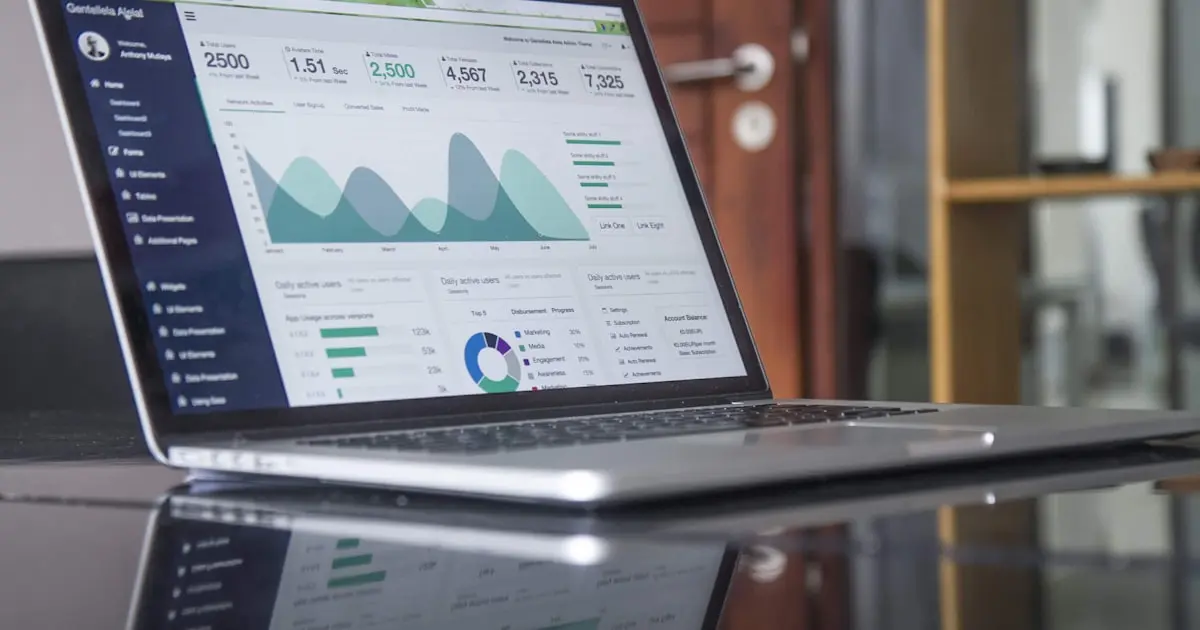
A security operations platform exists to remove that gap. It pulls situational awareness, incident response, and operational oversight into a single interface, so the people responsible for safety and security are not assembling a picture from scratch every time something goes wrong.
What Changes With a Unified Platform
- Unified situational awareness: Data from sensors, access systems, and reports flows into one operational picture instead of staying siloed.
- Geo-fenced location tracking: Know not just that an asset or person moved, but whether they moved outside an approved zone, in real time.
- Incident response workflows: Structured processes for logging, escalating, and resolving incidents, with an audit trail instead of a string of emails.
- Administrative and accounts oversight: Security operations rarely exist in isolation from the administrative and financial systems that support them.
The Pattern That Shows Up Before the Need Becomes Obvious
Organizations that need a dedicated security operations platform usually share a few traits long before they actually invest in one. They manage multiple physical sites or a mobile workforce and have lost a clear picture of where people and assets actually are. Their incident response depends on someone manually checking three or four separate systems. They are answerable to a board, regulator, or client contract that expects documented security processes, not informal ones. And often, their current "system" is really a mix of spreadsheets, a separate camera app, and institutional memory held by one or two long-tenured staff.
The Cost That Stays Invisible Until It Is Not
The cost of disconnected security tooling rarely shows up as a single dramatic failure. It shows up as slower incident response, gaps that nobody notices until an audit, and a security team that spends more time reconciling data across systems than actually responding to risk. By the time the cost becomes visible, it has usually been accumulating quietly for a long time.
The goal of a security operations platform is not more dashboards, it is fewer blind spots and faster, more confident decisions when something actually happens.
This is the exact problem ProtectNexus, our flagship platform, is built to solve: one unified system for security operations, accounts, administration, and geo-fenced tracking, instead of five disconnected tools held together by habit.