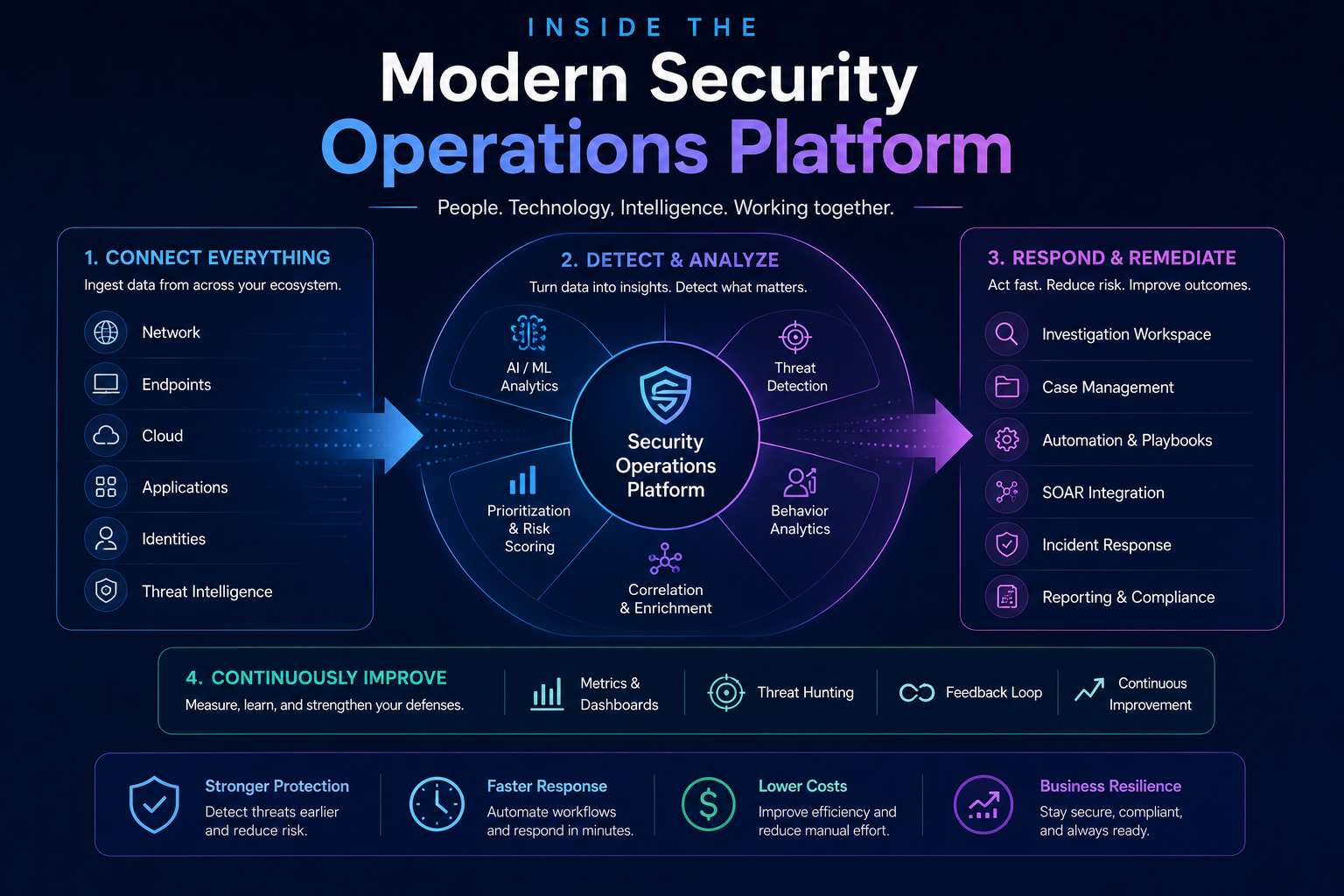
The Hidden Cost of Manual Security Monitoring
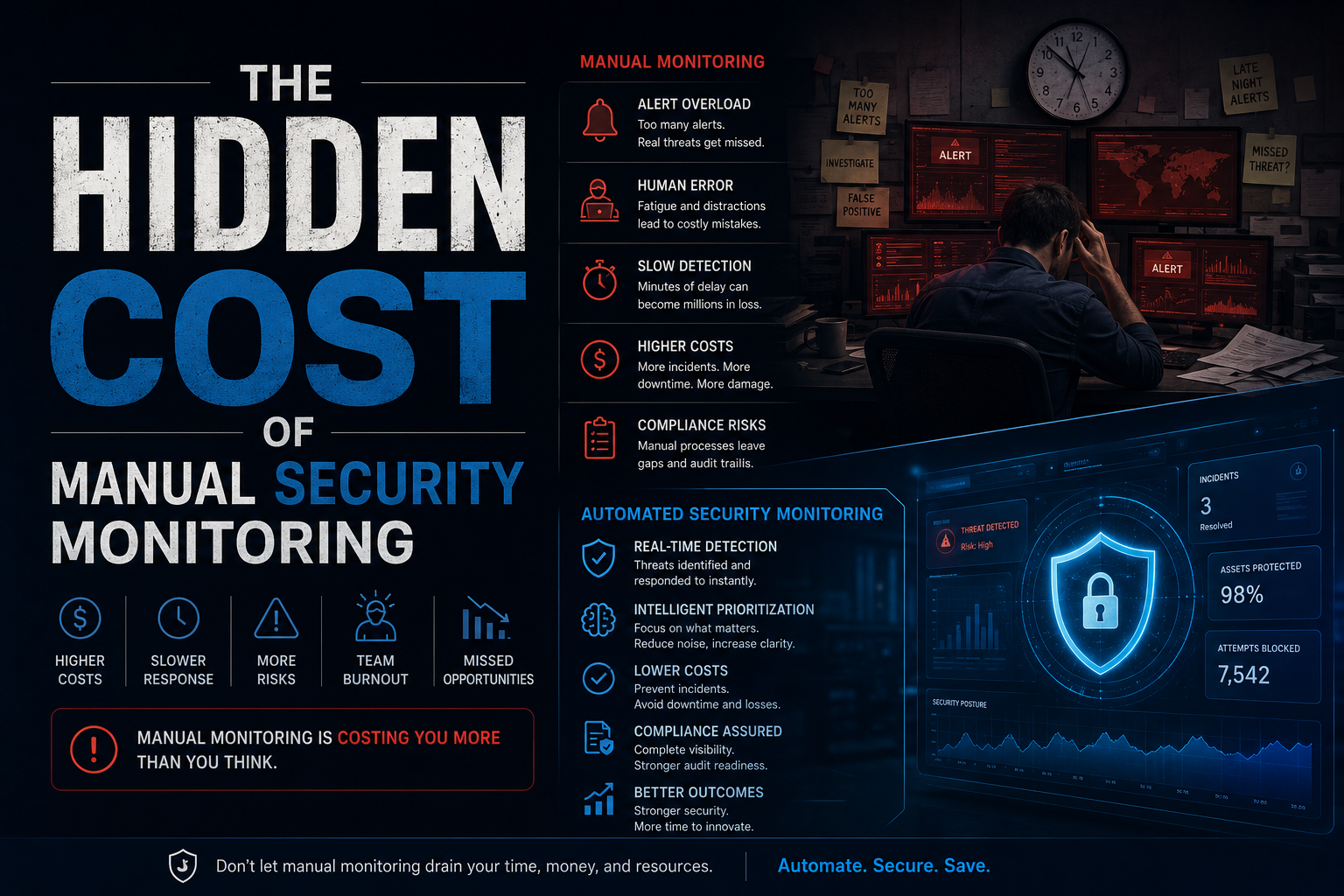
Manual security monitoring rarely fails in a single dramatic moment. It fails slowly, in ways that are easy to miss until they compound into something serious. The cost is real, but it almost never shows up on a balance sheet where anyone is looking for it.
The Time Cost Nobody Tracks
When monitoring depends on a person actively checking multiple systems, reviewing footage, and cross-referencing logs by hand, the actual cost is not just their salary for that time. It is every other responsibility that gets delayed while they do it, and the fact that monitoring quality depends entirely on how alert one person happens to be at any given hour.
The Response Delay That Compounds
Manual processes introduce a lag between something happening and someone noticing. That lag might be minutes, it might be hours if it happens overnight or across a shift change. In a genuine incident, that delay is often the difference between a contained issue and an escalated one. The cost of the delay is rarely visible until the one time it matters.
Inconsistency Across Shifts and Staff
Different people notice different things. A process that depends on individual vigilance will always produce inconsistent results, not because anyone is careless, but because human attention naturally varies. This is not a training problem, it is a structural one, and no amount of additional training fully solves it.
The Audit That Reveals the Gap
Many organizations only discover how much was being missed when an audit, an incident review, or a new compliance requirement forces a closer look at what manual monitoring actually caught versus what slipped through. By that point, the cost has usually already been paid, just not in a way anyone was tracking in real time.
What Automation Actually Changes
The point of automated, unified monitoring is not to remove people from security operations. It is to remove the parts of the job that depend on someone happening to be looking at the right system at the right moment, and replace it with consistent, structured visibility that does not depend on individual attention spans.
The real cost of manual monitoring is not the hours spent watching. It is everything that gets missed during the hours nobody was watching closely enough.
This is the core problem a unified platform like ProtectNexus is built to solve: consistent situational awareness that does not depend on which staff member is on shift.